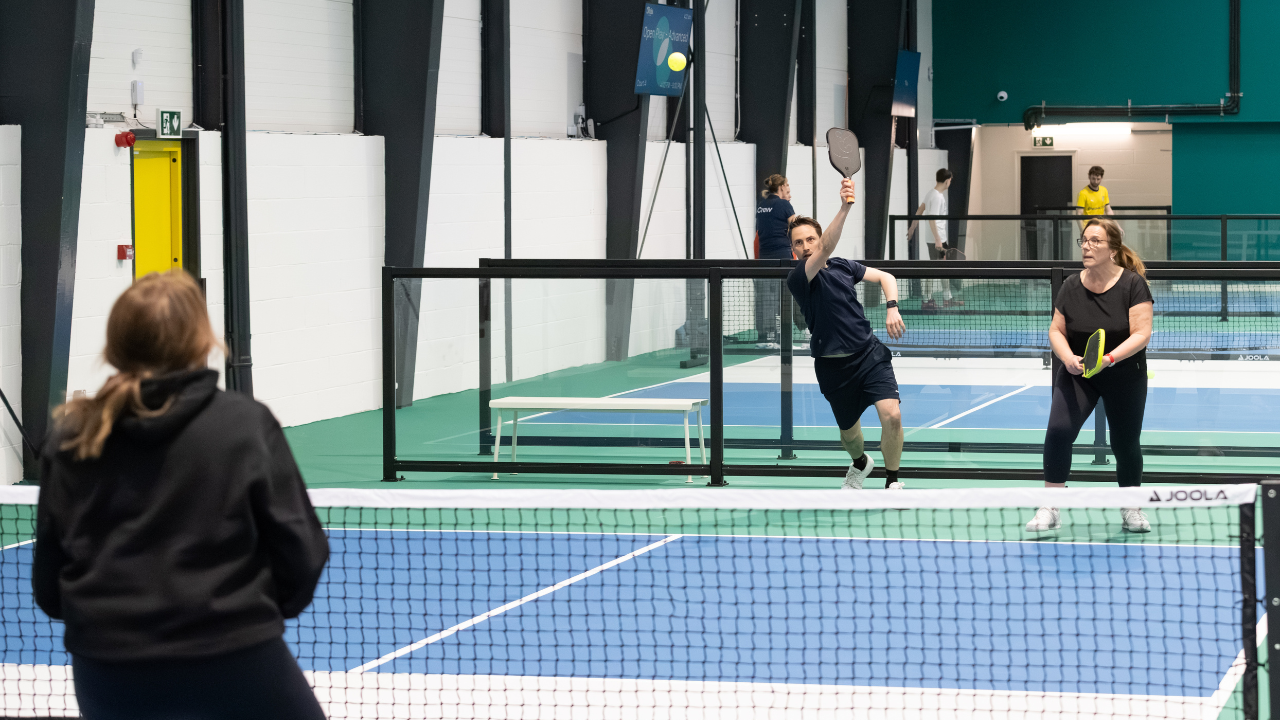
Pickleball's rise in the UK has been loud on participation and quiet on infrastructure, and that mismatch is exactly where the opportunity now sits.
The growth curve is real, not just anecdotal
It's easy to dismiss a sport's boom as social media noise until the membership figures actually back it up. Pickleball England's registered membership has passed 40,000, growing at roughly 65% year-on-year, according to figures reported by racket sports site RacketRise. That's a rate of growth that's genuinely rare across the UK leisure sector, let alone for a sport most people had never heard of five years ago. Numbers like that tend to get noticed by people who allocate capital for a living, and increasingly, they are.
Official recognition has changed the funding conversation entirely
Sport England's formal recognition of pickleball as a governed sport, alongside similar moves from the other home nations' sports councils, isn't just a status symbol. It opens the door to lottery funding and local authority investment that simply didn't exist for this sport three years ago. That's a meaningful shift: councils now have a genuine funding pathway to justify converting existing tennis and badminton courts rather than treating pickleball lines as an afterthought.
And they're moving on it. Painting pickleball markings onto courts that already exist is dramatically cheaper than building new facilities from scratch, which is exactly why so many councils have gone this route. The problem is that demand at peak times is already outstripping what these converted courts can handle in plenty of towns, which is precisely the kind of supply gap that tends to invite private operators in, particularly for indoor venues that can keep the sport going through winter once outdoor courts go quiet.
A market that hasn't been packaged up yet
Where padel's UK growth has been driven by a small number of large operators building purpose-made courts at scale, pickleball's supply chain looks nothing like that yet. Paddles, portable nets, coaching qualifications and beginner sessions are still mostly sold as separate, disconnected purchases rather than as one joined-up offering, which means a newcomer typically has to piece together their own path into the sport rather than being handed one.
That's starting to change. Businesses like Pickleball People, which pairs beginner coaching sessions with starter equipment bundles, are betting that bundling the whole "getting started" experience into one purchase is worth more to a nervous first-timer than making them shop around for courts, kit and lessons separately.
Low cost of entry cuts both ways
Part of what makes pickleball attractive to new players is exactly what makes it tricky commercially: it's cheap. A court can be marked onto an existing badminton or tennis surface for a fraction of what a padel enclosure costs, and paddles retail for under £30. That's great for participation, but it also means the margin on any single transaction is thin, which puts the emphasis squarely on repeat visits and ongoing engagement rather than one-off sales, a dynamic anyone building a pickleball business needs to plan around from day one.
A genuinely wide audience, still largely unclaimed
Perhaps the most commercially interesting feature of UK pickleball right now is who's actually playing it. Tournament fields at events like the English Open routinely span teenagers through players in their seventies, and mixed-ability formats mean no single age group dominates. That's an unusually broad customer base for gyms, hotels and holiday parks to build around, and unlike padel, where operators such as Powerleague have already committed serious capital to dozens of courts nationally, no major UK leisure chain has yet built a proper national pickleball offering.
That gap won't stay open indefinitely. But for now, pickleball sits in a position that's genuinely rare in UK leisure: demand that's already proven, supply that hasn't caught up, and a customer base that shows every sign of sticking around once they've picked up a paddle for the first time.
____________
Originally reported by London Business News, citing figures from RacketRise.