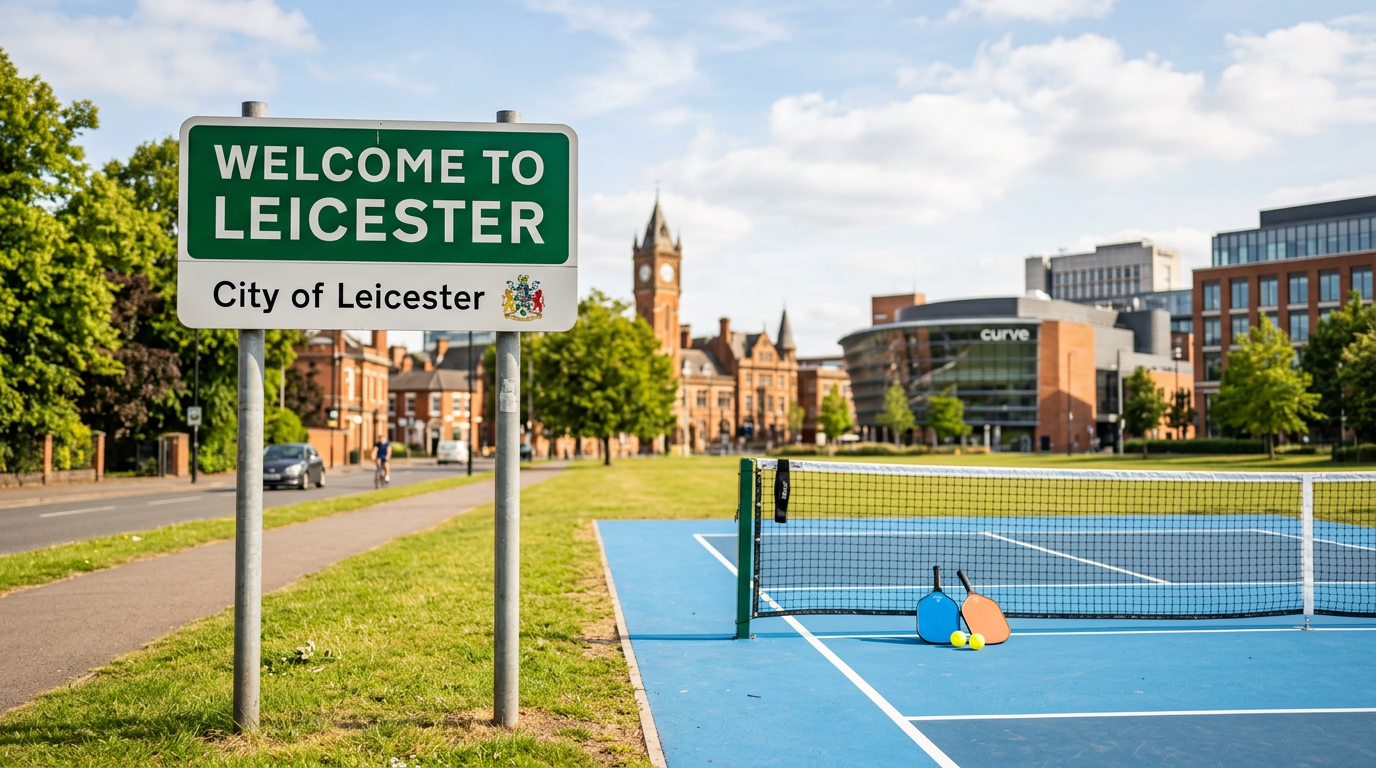
The hardest part of starting pickleball isn't learning the game.
It's knowing where to begin.
Most people who discover the sport go through the same sequence. They hear about it, look it up, find a few videos, decide it looks enjoyable — and then spend longer than they should trying to figure out where they can actually play near them. The good news is that part is now genuinely easy. Here's everything you need to know to go from curious to on court.
You don't need anything to get started
No paddle. No ball. No specialist kit beyond comfortable clothes and a decent pair of trainers.
Most venues and clubs provide equipment for new players, which means your first session requires nothing more than turning up. No investment before you've even decided whether you enjoy it, no specialist clothing to buy, no reason to delay because you feel unprepared.
Sort the session first. Everything else can wait.
Find somewhere to play
The Pickleball Directory lists courts, venues and clubs across the entire UK — from dedicated pickleball facilities and major leisure centres to tennis clubs, school sports halls, community centres and university sports parks.
Whether you're in a city centre or a market town, a suburb or a village, there are almost certainly options closer than you'd expect. The venue types vary considerably, and that variety is genuinely useful.
Leisure centres tend to offer flexible pay-and-play bookings. Find a slot, book it, turn up. No commitment, no club membership needed.
Tennis clubs and community clubs usually run organised sessions where you play alongside other members. Good if you want a social game from the start and prefer to have a structure around you.
Dedicated pickleball venues — where they exist — offer the most focused experience. Purpose-built courts, structured sessions, and a community built entirely around the sport. Think Dinks Pickleball in Hampshire, The PicklePad in Christchurch, Peak Pickleball in Sheffield, The Pickleball Shed in York.
None of these is the wrong choice for a first session. The best venue is simply the one that's available near you and feels like a good fit.
Choose the right type of session
Not all sessions are the same, and it's worth knowing the difference.
Pay-and-play gives you court time without a club structure. You book, you turn up, you play — often alongside whoever else has booked the same slot. Flexible and low-commitment, which makes it a good starting point if you're not sure how often you'll play.
Social and organised club sessions are run by local pickleball clubs and have a more community feel. Players rotate in and out, you meet people naturally, and there's usually someone around to help if you're new. York Pickleball Friday, Exeter Pickleball Club, Norwich Pickleball Club and hundreds of others across the UK have built regular sessions that welcome complete beginners without any fuss.
Coached and beginner sessions are specifically designed for people just starting out. Equipment is provided, the basics are explained properly, and the pace is set for people who've never played before. If you're genuinely new to the sport, this is almost always the better starting point over an open pay-and-play slot.
The beginner session path has a meaningfully better first experience. Lower barrier, clearer structure, more welcoming atmosphere. If one is available near you, start there.
What your first session will actually look like
You'll be shown the basics — how to serve, where to stand, how scoring works. Nobody expects you to know any of this already.
Then you'll play. Properly. Points, rallies, the works.
The court is small, the ball moves at a manageable pace, and the paddle is forgiving. Most beginners have their first proper rally within the first session. Some find it within the first fifteen minutes. The learning curve in pickleball is genuinely short — shorter than almost any other racquet sport — and that early sense of actually playing rather than just trying to play is a big part of why people come back.
The community is part of the point
One of the things that surprises new players most isn't the sport itself. It's the people.
Pickleball has an unusually welcoming culture, and that's reflected in clubs and sessions right across the UK. From the community sessions at Ramgharia Community Centre in Leicester to the dedicated programmes at MK Smashers in Milton Keynes and Grampian Pickleball Club in Aberdeen, the common thread is a genuine openness to new players.
Most clubs remember clearly what it felt like to be a beginner. That tends to make them patient, encouraging, and far less intimidating than people expect before they walk through the door.
The social dimension of pickleball is one of the main reasons people keep playing long after the novelty of a new sport would normally wear off. It's worth seeking out — not just a court, but a session with other people.
Where to play across the UK
The Pickleball Directory covers the whole country — over 1,300 venues and counting. Here are some of the highlights by region to give you a sense of what's out there.
Scotland — Glasgow has one of the most extensive venue networks in the UK, with the Glasgow Club leisure estate, Commonwealth Games venues and dedicated outdoor courts spread right across the city. Aberdeen's Grampian Pickleball Club runs sessions across multiple venues throughout the week. Edinburgh offers consistent options at leisure centres and community clubs across all parts of the city.
North of England — Sheffield has Peak Pickleball, one of the country's dedicated indoor centres. York has The Pickleball Shed — five purpose-built courts and one of the best introductions to the sport in the north. Manchester has Chorlton's eight dedicated outdoor courts and social sessions across the city. Leeds has John Charles Centre as its established home of pickleball, with permanent courts and weekly sessions.
Midlands — The University of Warwick Sports Hub has 16 courts open to non-students, making it one of the most accessible large-scale venues in the country. Leicester has an active club scene spread across leisure centres and community venues. Milton Keynes has two clubs running sessions across multiple venues every week, with free taster sessions available for complete beginners.
South and South East — This is where some of the UK's most impressive dedicated venues are clustered. Dinks Pickleball in Eastleigh is one of the country's standout purpose-built clubs — tournament-grade courts, a first-floor bar with courtside views, coaching technology including court recording, and a full programme from beginner sessions through to competitive play. Bournemouth has The PicklePad in Christchurch, another dedicated venue with four courts and a structured weekly programme. Portsmouth and Gosport have a remarkable concentration of options for their size — five indoor venues in Gosport alone, plus free outdoor courts at Privett Park. Brighton has sessions running from the seafront to the South Downs. London has dedicated outdoor courts at Park Sports Chiswick and organised sessions across every part of the city through Lemon Pickleball and Pickleball Social.
South West — Exeter Pickleball Club has introduced over 500 people to the sport since 2023, running nine sessions a week across two city venues. Bristol, Cardiff, Bath and Reading all have active communities growing steadily.
Wherever you are in the UK, the chances are good that something is within reach — and closer than you'd expect.
The simplest way to start
- Search The Pickleball Directory for venues near you.
- Find a beginner or social session that fits your schedule.
- Turn up in comfortable clothes with a water bottle.
That's the whole process.
Pickleball has a habit of being more enjoyable than people expect — often from the very first game. It's easy to start, genuinely social, and one of the few sports that gets more interesting the better you get at it.
The only thing left is to actually go.
Find a pickleball court or club near you on The Pickleball Directory | The Home of UK Pickleball and take it from there.


.avif)


.png)